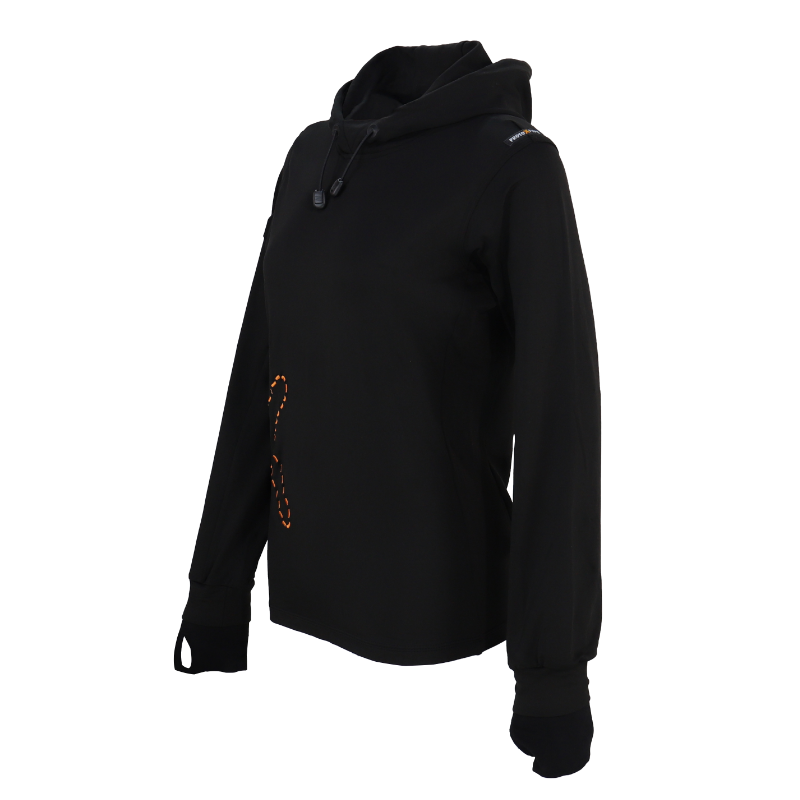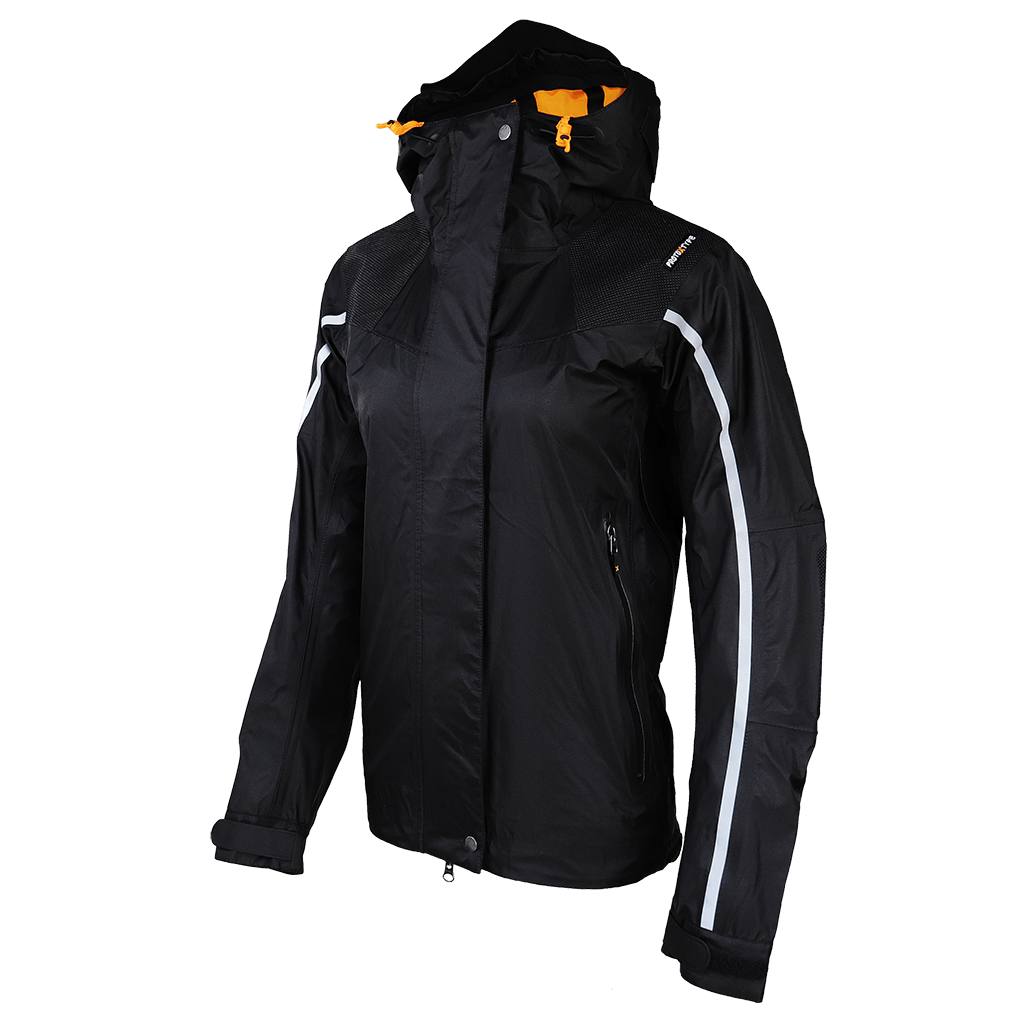

For us at ProtoXtype, eco-sustainability has long been more than just a buzzword: it’s a commitment.
Every day we work in sustainable fashion and we keep coming across the term “eco-sustainability”. But what does this expression really mean, and why is it becoming increasingly important — in Switzerland and across the world?
What does eco-sustainability mean?
“Eco-sustainability” may sound like a complex concept, but at its core it’s a simple principle: it means using and protecting the environment in a way that ensures resources remain available in the long term.
The idea of sustainability has a long history: back in the 18th century, traditional Swiss forest management promoted the view that you should not cut more wood than can grow back.
Today, sustainability is a global concept that aims to maintain a balance between human needs and nature. Eco-sustainability is one of the three pillars of sustainable development (together with social and economic sustainability) and puts the protection of our planet at the centre.
But what does this concept include in practical terms?
Definition and fundamentals
By definition, eco-sustainability means that human activities must be designed so they do not permanently damage the environment, and do not consume resources faster than they can regenerate.
In other words: we should use natural resources — such as water, soil, air and raw materials — in a way that allows future generations to benefit from them too.
This concept requires that, in everything we do, we consider the long-term impacts on ecosystems.
For example, if a forest is used, we should only harvest the amount of timber that can grow back in the same period.
Similarly, it’s important to keep pollutants and emissions in the air and water to the lowest possible level.
Eco-sustainability is therefore achieved when economic or private activities can continue indefinitely without destroying the ecological foundations of life.
The three pillars of sustainability
The concept of sustainability is based on three pillars: environmental, social and economic.
Eco-sustainability is a fundamental part of this “triangle” and focuses on protecting the environment. The other two pillars — social and economic sustainability — aim to ensure social justice and economic stability.
Together, these three areas tell us that development is truly sustainable only if it is simultaneously environmentally responsible, socially fair, and economically viable.
For example, an urban development plan can be sustainable if it is environmental (for instance with green areas and low resource consumption), social (decent living conditions for all residents) and economically sound. In this context, eco-sustainability is the foundation: without a healthy planet, neither social progress nor economic prosperity can last over time.
That’s why it’s so important to find a balance between environment, society and the economy, so that human activities can continue in the long term without putting nature — or future generations — at risk.
Why is eco-sustainability important?
In the face of climate change, environmental pollution and biodiversity loss, a natural question arises: why is eco-sustainability so important for all of us?
The answer is simple but profound: our lives depend on it.
Globally, we are facing enormous challenges: average temperatures are rising, extreme weather events are becoming more frequent, many animal and plant species are threatened with extinction, and valuable raw materials are becoming increasingly scarce.
Eco-sustainability provides a framework for addressing these issues. It encourages us to act today so that tomorrow there is still a liveable world. At the same time, more and more companies and governments are recognising that sustainable behaviour can bring long-term economic benefits — for example through innovation, new “green” jobs, and lower costs thanks to more efficient use of resources.
Protecting the environment and biodiversity
Eco-sustainability is essential to protect the environment and the biodiversity of life on Earth.
Our ecosystems — forests, seas, rivers and mountains — provide irreplaceable services: they produce oxygen, purify water, regulate the climate and offer habitats to countless animal species.
If we overload or destroy these natural systems, our climate and the foundations of our lives will also be at risk.
One example is the fight against climate change: through sustainable actions, we can reduce greenhouse gas emissions such as CO₂ and limit global warming.
Equally important is protecting biodiversity — the variety of living beings that populate the Earth.
Every species, from insects to mammals, plays a role in ecological balance. If too many species disappear, the consequences can be unpredictable for entire food chains and, ultimately, for us humans too.
In this sense, sustainability means adopting environmental protection measures: from reducing pollution (for example, less plastic in the seas) to creating protected areas for endangered animals and plants. By acting in an environmentally respectful way and saving resources, we help preserve the beauty and functionality of nature for ourselves and for future generations.
Ensuring resources for future generations
Sustainability always has a time dimension: it’s about thinking about tomorrow and the day after. One of the main reasons why eco-sustainability is so important is our responsibility towards future generations.
We all want to live in a world that is liveable, with clean air, enough drinking water, fertile soils and a stable climate.
But if today we waste resources or destroy the environment, we deprive future generations of these foundations.
One example: fossil fuels such as oil and gas are limited, and burning them fuels climate change.
By switching to renewable energies (such as hydroelectric, solar and wind power, already widely used in Switzerland), we can protect the climate and resources. Sustainable agriculture is also important, because it avoids depleting soils and uses water efficiently, ensuring food production even decades from now.
Pursuing eco-sustainability means enabling intergenerational fairness: meeting today’s needs without compromising future generations’ ability to meet their own.
In the long term, society and the economy benefit too: responsible use of resources reduces the risk of conflicts over water or raw materials and creates stability. In this way, through sustainable actions, we not only protect the environment, but also lay the foundations for lasting prosperity and peace.
Putting eco-sustainability into practice in everyday life
But how can eco-sustainability be applied in everyday life? The good news is that each of us can make a difference.
Especially in Switzerland, where environmental protection and quality are strongly valued, there are many opportunities to act sustainably. From small habits at home to bigger consumer decisions, our behaviours add up.
It’s important to remember that even seemingly small gestures matter in the bigger picture. If we all adopt a more sustainable lifestyle, the effect becomes significant: less waste, lower energy consumption and stronger demand for eco-friendly products also push companies to change direction.
Sustainable consumption and lifestyle
A sustainable lifestyle starts with our everyday choices. What we eat, how we get around, what we buy and how we live — all of this affects our ecological footprint. Even with simple actions, we can achieve a lot. Here are a few approaches to living more consciously:
Save energy: pay attention to using electricity and heating efficiently. For example, switch devices off completely instead of leaving them on standby, switch to LED bulbs, and moderate heating in winter. Every kilowatt-hour saved — ideally from renewable energy — helps reduce CO₂ emissions.
Reduce waste and recycle: mindful waste management significantly reduces environmental impact. We can use reusable products (for example, water bottles and shopping bags), avoid packaging and sort waste correctly. In Switzerland, recycling (paper, glass, metals, electronics, etc.) is highly valued — let’s make the most of these options. Less waste means less pressure on landfills and oceans.
Buy sustainably: for consumer goods such as clothing, food or cosmetics, we can pay attention to sustainability. Local organic food, Fair Trade products or fashion made with eco-friendly fabrics (such as ProtoXtype clothing) are more environmentally respectful alternatives. Instead of supporting fast fashion, we can invest in quality garments that last longer or buy second-hand clothing.
Rethink mobility: transport contributes significantly to pollution. Where possible, choose greener options: cycling or walking, public transport, or car sharing/carpooling. Every trip avoided or made more sustainable reduces emissions — and often costs too.
These examples show there are many ways to act more responsibly. The key is to start step by step and not get discouraged. Every small action — turning off the light when leaving a room, or buying sustainably produced clothing — is a step towards greater eco-sustainability.
The role of businesses and politics
Even though individual actions matter, we shouldn’t forget how much businesses and politics influence sustainability.
Many environmental decisions are made at a higher level. Companies decide on production techniques, material choices and supply chains, while politics defines the rules of the game through laws, regulations and incentives. Real progress therefore requires collaboration from all parties.
Businesses can contribute significantly to eco-sustainability by implementing greener production processes.
These include: sustainable manufacturing processes, using renewable energy in factories, reducing transport distances, and developing durable and repairable products. More and more companies publish sustainability reports and set climate targets, because consumers also value corporate social responsibility.
At ProtoXtype, we’re an example in the textile sector: as a sustainable fashion company, we pay attention to environmentally friendly materials and fair production conditions.
At the same time, politics creates the regulatory framework.
In Switzerland and worldwide, environmental laws and agreements increasingly guide us towards eco-sustainability.
One example is the Paris Climate Agreement, through which countries commit to reducing CO₂, or national circular economy strategies aimed at reducing waste and increasing recycling.
In Switzerland, recycling is actively promoted and the use of hydroelectric and solar energy is being steadily developed — a sign that many sustainable decisions happen at an institutional level.
For us as citizens, this also means using our voice: through conscious consumption choices and by calling for bold political steps to protect the environment.
Ultimately, we are all part of the system — as consumers, voters and members of society. Only if individuals, businesses and the state work together can the vision of a truly sustainable world become reality.
Eco-sustainability in the fashion industry
One sector where eco-sustainability is particularly relevant is fashion. Fashion is everywhere (we all wear clothes), yet many people don’t realise how large the environmental impact of traditional textile production is.
Clothing production consumes enormous resources and generates polluting substances.
For example, producing a single conventional cotton T-shirt requires around 2,700 litres of water, and the textile industry is responsible globally for around 10% of CO₂ emissions — more than international flights and maritime shipping combined.
On top of this, there are the chemicals used for dyeing and finishing fabrics, and the huge amounts of waste generated by unsold items or by the short lifespan of products.
Environmental issues in traditional fashion
Traditional fashion, especially in the fast fashion era, has serious consequences for the environment.
A key issue is resource consumption: growing conventional cotton uses large amounts of water and pesticides, which deplete soils and pollute water.
Synthetic fibres such as polyester are produced from oil — not only a finite resource, but also a highly energy-intensive process.
In addition, when washed, synthetic fabrics release microplastics that end up in rivers and seas, harming wildlife and also us — as we drink the water.
Another problem concerns chemicals in textile production. Many traditional dyes and finishing substances contain toxic components.
During production, they can end up in factory wastewater and heavily pollute rivers in producing countries.
Consumers can also be exposed: chemical residues in clothing can cause skin irritation and are sometimes suspected of being harmful to health.
Organisations such as Greenpeace have highlighted these issues through campaigns (for example the Detox campaign). Greenpeace itself has reported the presence of toxic substances such as alkylphenols, phthalates, chlorinated compounds, azo dyes, organotin compounds and more — highly harmful to the health of the planet and humans. Specifically, these substances are not biodegradable and, by accumulating in wastewater, cause significant environmental damage.
As a result, Europe and other regions have introduced stricter regulations to limit the use of hazardous substances (such as certain dyes, plasticisers or flame retardants).
Finally, waste is also a huge problem. Every year, tonnes of garments are produced, a significant share of which remain unsold or are thrown away after brief use.
This textile waste often ends up in landfill or is incinerated, with further environmental impact.
Ultimately, traditional fashion as it is today is far from eco-sustainable. That is precisely why the transition towards more sustainable practices in this sector is urgent.
Sustainable fashion at ProtoXtype
Sustainable fashion shows that an alternative is possible. At ProtoXtype, we have set ourselves the goal of producing clothing that is stylish, functional and environmentally respectful at the same time.
But what does that mean in practice? First of all, we carefully select eco-friendly materials. Instead of relying on conventional cotton or fully synthetic fabrics, we prefer natural fibres such as bamboo or innovative recycled materials.
Bamboo, for example, is a renewable resource that requires far less water than cotton and grows without pesticides: a fabric that feels great to wear and is also 100% biodegradable.
Another key point is processing without harmful chemicals. Our partners and suppliers must comply with strict standards: many of our products are certified according to international standards such as GOTS (Global Organic Textile Standard), which, among other things, prohibits the use of toxic dyes and substances.
This way we ensure that neither during production nor for the end customer do harmful residues remain for health and the environment.
Of course, the quality and durability of garments also impact sustainability. Well-made clothes with timeless design can be worn for many years.
This reduces the need to buy new items frequently and therefore saves resources. We design our collections with the idea that they provide long-term satisfaction and don’t become “out of fashion” after just one season.
Beyond materials and production, an ethical and transparent supply chain also matters to us — an aspect more closely linked to the social pillar of sustainability, but one that complements the environmental pillar, because fair working conditions and local production often lead to more environmentally respectful processes (for example, less overproduction).
For our customers, buying from ProtoXtype means making a conscious choice for sustainable fashion — more environmentally respectful than conventional clothing.
Every choice like this is a step towards a more sustainable fashion industry. We’re proud to be part of this change and we constantly work to become even more sustainable, in line with our belief that fashion and environmental protection can go hand in hand.
Eco-sustainability concerns all of us
Eco-sustainability is not a passing trend, but the foundation of a society capable of ensuring a future for the next generations — and it concerns everyone. We have seen that this concept runs through many areas of our lives, from global climate policy to everyday habits.
The central idea is simple: protecting the environment and managing resources responsibly is a shared task we must face every day.
At ProtoXtype, we believe sustainability should be considered at every stage of our actions. In our company, the topic is deeply rooted — not only in the production of our garments, but also in small everyday choices in the office.
But each individual’s commitment is just as important: when, in small and big decisions — purchases, energy use or mobility — we take responsibility towards the environment, the sum of these actions can generate a huge and positive impact.
Ultimately, eco-sustainability means fulfilling a duty towards future generations. Sometimes it may feel inconvenient to choose the more sustainable path, but it is an investment in our shared future.
At ProtoXtype, we want to do our part, helping to build a piece of that better future through sustainable fashion. Let’s continue together to choose consciously and to walk the path towards a sustainable and liveable future.
Frequently asked questions about eco-sustainability
What is meant by eco-sustainability?
Eco-sustainability refers to a principle of action according to which the environment and its resources must be preserved over the long term. It means shaping economic and everyday activities so that nature and ecosystems do not suffer permanent damage. In essence, it means not consuming more resources than can grow back or regenerate, and minimising environmental impact as much as possible.Why is eco-sustainability important?
Eco-sustainability is important because it safeguards the foundations of our future. Without a healthy planet — with clean water, fertile soils and a stable climate — wellbeing and health cannot last. Acting sustainably protects the environment, preserves biodiversity and allows future generations to live well too. Moreover, sustainability can reduce conflicts linked to scarce resources and create economic opportunities through new “green” technologies.How can I act sustainably in everyday life?
In everyday life we can act sustainably through many small decisions. For instance, save energy by avoiding standby mode and choosing electricity from renewable sources. We can reduce waste and recycle consistently by using reusable products and sorting waste correctly. Choosing greener transport options (cycling, public transport, walking) also helps reduce emissions. It’s also important to consume consciously: buying products with eco or fair labels (for example ProtoXtype sustainable fashion, organic food) supports more environmentally respectful production. Each action may seem small, but together they can have a big positive impact.What does ProtoXtype do for eco-sustainability?
ProtoXtype places sustainability at the centre of its philosophy. We attach great importance to more environmentally respectful materials and processes in sustainable fashion production. In practice we use sustainable fabrics such as bamboo fibre and organic cotton, which consume fewer resources and have a lower impact than conventional fabrics. Our production follows strict environmental standards, and many products are certified, for example, under GOTS, which guarantees high ecological and social criteria — from fibre cultivation to dyeing and sewing. We also focus on quality and durability, because garments worn for longer reduce frequent purchases and waste. As a brand, we want to prove that fashion and eco-sustainability can coexist. By choosing ProtoXtype, you support this approach and help make the fashion sector increasingly sustainable.