What is GOTS certification?
GOTS certification (Global Organic Textile Standard) is an international standard that guarantees the use of textile fibres from organic agriculture and environmentally compatible processing throughout the entire supply chain. This global label ensures that every stage – from harvesting the fibres to making the finished garment – meets strict environmental and social criteria.
Companies that choose GOTS voluntarily commit to carefully monitoring and documenting the whole production chain, offering transparency to the end consumer. In practice, wearing a GOTS-certified garment means having a quality guarantee: you can be confident the product is made with natural materials, grown without harmful pesticides, and processed under conditions that respect workers’ rights.
Origins and meaning of GOTS certification
GOTS certification was created in 2002 in response to the fragmentation of standards for organic textiles. That year, at an international conference in Düsseldorf, organic cotton producers, environmental associations and inspection bodies from various countries came together to define a single textile certification system.
The founders’ aim – including the Organic Trade Association (USA), the Soil Association (UK), IVN (Germany) and JOCA (Japan) – was to create one common global standard. In this way they wanted to bring together environmental sustainability, social responsibility and traceability, harmonising criteria that had previously differed from country to country. Thanks to GOTS, organic cotton, organic wool, linen, hemp and other certified fibres now follow clear rules recognised worldwide, supporting ethical fashion and promoting quality-controlled textile products.
Foundation and purpose of GOTS
The GOTS project was officially launched in 2002 in Düsseldorf with the commitment to develop a rigorous international standard. In that context, the founding organisations took responsibility for drawing up clear rules for the organic textile sector.
The purpose was to create a certification covering every step, from organic farming through to the sale of finished garments. Before then, there were multiple non‑uniform national certifications: GOTS unified these criteria by introducing minimum thresholds for organic fibre (at least 70% in the final product, 95% for the “Organic” label) and strict rules on the use of chemicals. This established a shared standard that gives producers a common reference point and offers buyers a consistent guarantee worldwide.
Promoters and global reach
GOTS is promoted by internationally recognised associations committed to environmental and social protection. These include supply‑chain organisations such as OTA (USA), the Soil Association (UK), IVN (Germany) and JOCA (Japan).
These groups ensure that the standard reflects best practice in organic farming and responsible textile production. Over time GOTS has become widely adopted: today, thousands of companies in Europe, North America, Japan and other countries use it to certify their products.
What does GOTS certification apply to
GOTS certification applies to any textile product made from natural fibres grown organically. It can be obtained for a wide range of materials and items, ensuring that sustainable practices are followed from origin through to sale.
Typical certified fibres include organic cotton, certified wool, linen, hemp and even silk (of organic origin). Finished products are mainly clothing, but not only: GOTS also covers household linen (bed sheets, towels, tablecloths), organic upholstery textiles, bedspreads, blankets and textile accessories.
Even mattresses with natural-fibre fillings, or fabric footwear, can obtain certification, provided they meet the GOTS criteria.
Some examples of textile products that can be GOTS-certified include:
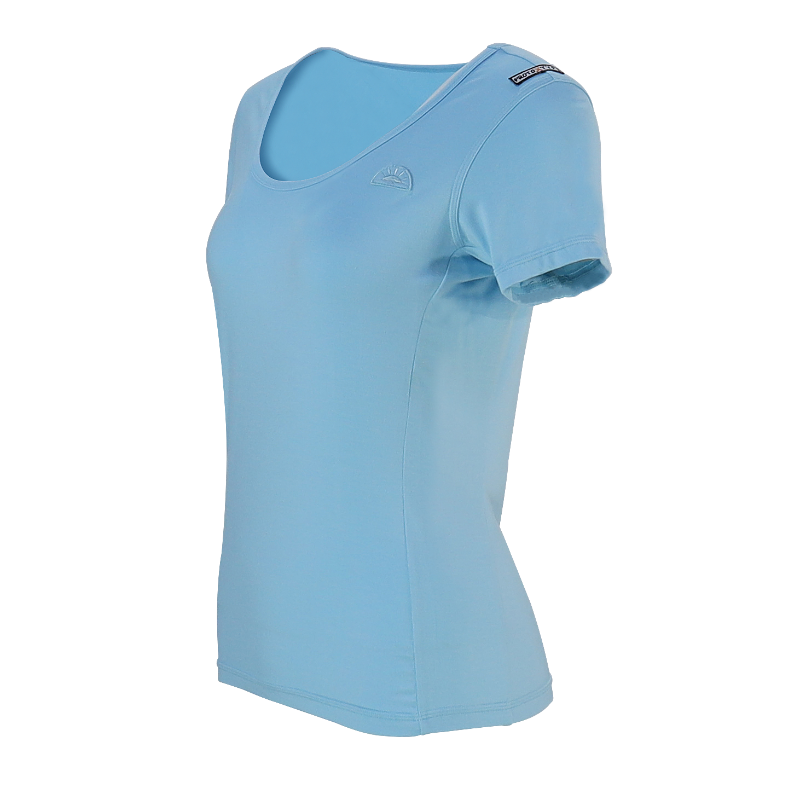
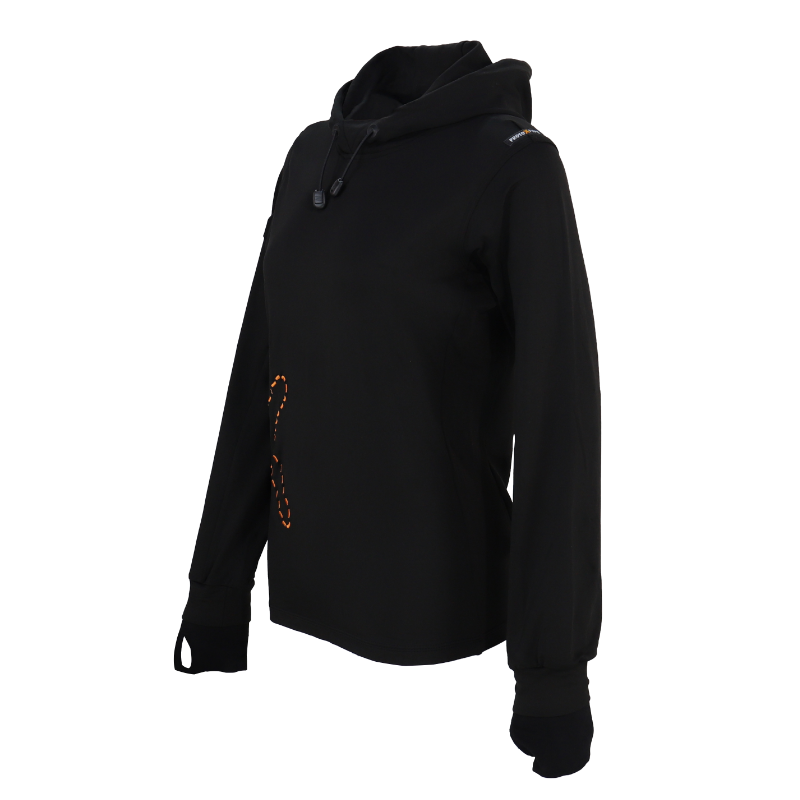
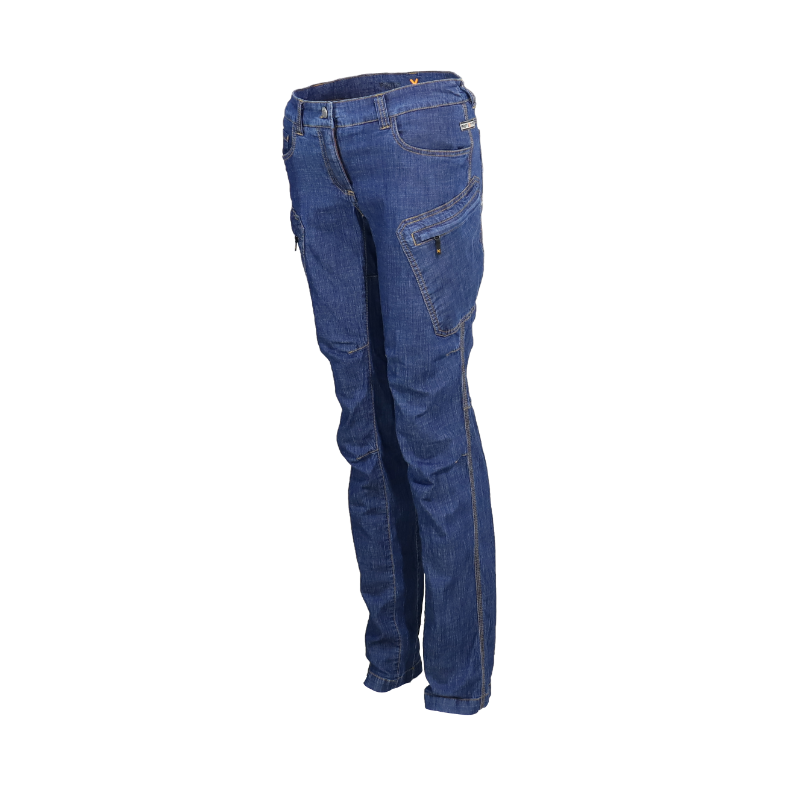
Sustainable clothing: T-shirts, shirts, jeans, sweatshirts, and children’s and adults’ garments made with organic cotton or wool.
Household linen: GOTS-certified bed sheets, pillowcases, towels and tablecloths, guaranteeing 100% organic fibres and eco-friendly processing.
Upholstery textiles: furnishing fabrics, sofa covers, curtains and blankets made with certified organic materials.
Various products: caps, scarves, fabric bags, cushions and mattresses in natural fibres (cotton, linen, hemp) – all certifiable if produced to GOTS standards.
Minimum certification requirements
To receive the GOTS label, a product must meet key requirements for both materials and processes. The main criteria include:
Organic fibres: 70% of the finished product must come from certified organic crops (95% is required for the GOTS “Organic” designation). This means cotton, linen or hemp plants are grown without synthetic pesticides, chemical fertilisers or GMOs.
List of prohibited substances: over 1,000 toxic chemical compounds are banned. Chlorine-based bleaches, harmful azo dyes, formaldehyde, heavy herbicides and other hazardous solvents cannot be used. GOTS provides companies with a detailed list of permitted inputs, encouraging processes that are safer for the environment and health.
Traceable supply chain: every stage of production – fibre harvesting, spinning, weaving, dyeing and garment making – must be documented. Organic fibres must remain separate from conventional fibres at all times, preserving material integrity. Only products with a verifiable supply chain can be certified.
Transparent labelling: certified products display the GOTS logo and an identification number linked to the certified company. This allows consumers and retailers to check in the official database that the item truly complies with the standard.
Benefits and differences for businesses and consumers
Having GOTS certification brings tangible benefits for both companies and end consumers. For textile businesses, the GOTS label becomes a strong point of differentiation in the market.
Certified companies can present themselves as producers of verified organic clothing, reaching customers and retailers who prioritise sustainability. The GOTS logo on a product signals reliability and guarantees transparency, making it easier to sell in international markets—especially Europe, North America and Asia—where there is already strong demand for certified organic garments.
In addition, adopting GOTS standards can improve brand image: more and more consumers choose ethical clothing and reward companies that commit to environmental and social responsibility.
From the consumer’s point of view, GOTS certification means greater safety and awareness when buying. By purchasing a GOTS product, customers know they are wearing items made from fibres free from harmful chemical residues and produced under regulated working conditions.
This reduces the risk of allergies or irritation caused by toxic substances found in conventional clothing. It also helps support a responsible supply chain: by choosing GOTS products, consumers encourage organic farming practices (which limit pollution) and respect for workers’ rights.
A GOTS-certified company therefore stands out clearly from one that is not certified. Without the GOTS label, businesses continue to use conventional processes: they may not guarantee the absence of pesticides in fabrics or provide full transparency about their suppliers. In practical terms, a producer with GOTS makes its ethical and sustainable commitment clear, while a conventional producer cannot offer the same assurances.
This translates into competitive advantages: with GOTS, a company attracts a market segment that is sensitive to environmental issues, whereas without GOTS it risks falling behind and failing to meet the expectations of increasingly informed consumers.
Frequently asked questions
What is GOTS certification and what is it for?
GOTS certification (Global Organic Textile Standard) is an international label that verifies the organic status of textiles and clothing. It ensures that every production stage meets ecological criteria (organic fibres, ban on toxic substances) and social criteria (workers’ rights), providing a reliable benchmark for sustainable textile products.
Which products can obtain GOTS certification?
All textile products made with natural fibres from organic agriculture can be GOTS-certified. For example: clothing in organic cotton, household linen (bed sheets, towels), fabric accessories, blankets and mattresses with natural-fibre fillings. What matters is that the materials used and the processing comply with the GOTS standards.
What does a GOTS-certified product guarantee to consumers compared with a non-certified one?
A GOTS product guarantees full supply-chain transparency. It gives consumers confidence that the fabric is free from pesticides and harmful chemicals, and that the workers involved operated in safe, dignified conditions. A non-certified item does not offer these guarantees: it may contain chemical residues and has not been verified from a social standpoint.
What requirements must a company meet to obtain GOTS?
To obtain GOTS, a company must prove that its raw materials are organic and that the entire production process follows the standard’s rules. It must maintain a documented chain of custody, keep organic fibres separate from conventional fibres, use only substances permitted on the GOTS list, and ensure compliance with social criteria (no child labour, fair wages, etc.). All of this is verified by independent inspectors during periodic audits.
How do you obtain GOTS certification and how long does it last?
The company applies to an accredited certification body. This body carries out inspections at the company’s premises and at its suppliers, assessing materials, processes and documentation. If approved, GOTS certification typically lasts one year and must be renewed annually with a new audit. The cost can vary depending on the size of the business and the number of certified products.
What is the difference between GOTS and other textile certifications such as Oeko-Tex or OCS?
The key difference is that GOTS is much more comprehensive. Compared with Oeko-Tex, which checks for harmful chemicals in the finished product, GOTS covers the entire supply chain and also includes organic cultivation and working conditions. The Organic Content Standard (OCS) only certifies the percentage of organic material used, without verifying the whole production process. In short, GOTS combines environmental, social and traceability requirements that other standards do not cover in full.